GLP-1 and Hair Loss: Why It Happens and How to Support Healthy Regrowth
Noticing more hair in your brush since starting a GLP-1? You’re not alone. This post breaks down why hair thinning can happen on GLP-1 medications, what’s actually going on in your body, and—most importantly—what you can do to support healthy regrowth. From nutrient support to hormone balance, we’ll cover the real reasons behind GLP-1–related hair loss and the steps to help your hair (and confidence) bounce back.
Wellness NP
11/13/20253 min read
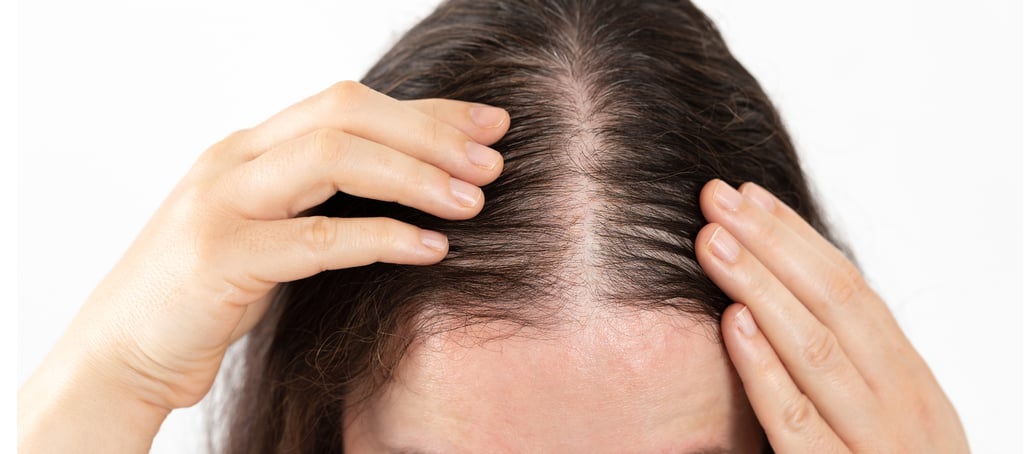
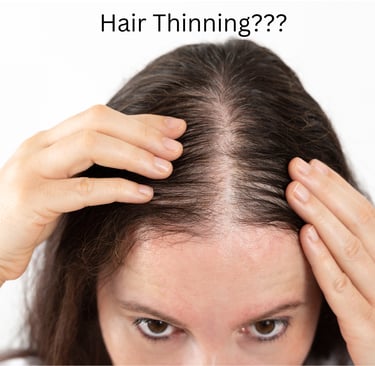
Hair Thinning on GLP-1s: What’s Really Happening (and How to Support Healthy Regrowth)
If you’ve noticed more hair in your shower drain or on your brush since starting your GLP-1 medication, you’re definitely not alone. While GLP-1s like semaglutide and tirzepatide have become game-changers for weight and metabolic health, many women report frustrating side effects like hair shedding a few months into treatment.
The good news? It’s usually temporary—and there are steps you can take to support your body (and your hair) through the transition.
Let’s break down what’s really going on and what you can do to help.
💡 Why Hair Thinning Happens on GLP-1s
Hair loss related to GLP-1 use isn’t directly caused by the medication itself. Instead, it’s a side effect of rapid change in your body—especially in nutrient intake, hormone balance, and metabolism. If you have been considering starting on a GLP, I recommend join Fridays Telehealth. Use code MICHELLE to save $100. They have great customer service and a more comprehensive program that includes 1 on 1 nutrition, coaching and exercise app, along with unlimited provider visits. They also have great ratings on Trust Pilot. They are who I use and trust for my GLP1's.
Here are the most common causes:
1. Telogen Effluvium (Stress-Related Shedding)
When your body experiences a big change—like rapid weight loss or calorie reduction—it can temporarily shift more hair follicles into the “resting” phase. This type of shedding, called telogen effluvium, usually shows up 2–3 months after the trigger.
2. Nutrient Deficiency
Because GLP-1s slow digestion and reduce appetite, it’s easy to unintentionally eat too little protein, iron, or key vitamins like biotin, zinc, and B12—all of which are critical for healthy hair growth.
3. Hormonal Shifts
Changes in estrogen, insulin, and thyroid function can all affect hair growth cycles. For women in perimenopause or menopause, GLP-1–related metabolic shifts can amplify those hormone fluctuations.
4. Stress on the Body
Even positive changes—like weight loss—create internal stress. Cortisol, your stress hormone, can interfere with normal hair growth and delay regrowth if levels stay high.
🩶 The Good News: It’s Usually Temporary
In most cases, hair shedding slows down after a few months once your body adapts to your new metabolism and nutrient levels. It can take 6–9 months for full regrowth to become noticeable—but with the right support, you can help that process along.
🌿 How to Support Hair Health on GLP-1s
Here’s what can make a real difference:
1. Prioritize Protein
Aim for at least 70–100g of protein daily, depending on your size and activity level. Protein provides the building blocks (amino acids) your body needs to make keratin—the main component of hair.
💡 Tip: If appetite is low, try high-protein shakes or collagen peptides. A quick grab and go protein shake I love is from premier protein. It is a quick easy way to get in 30 grams of protein on the go and they have a ton of flavors.
2. Add a Multinutrient Hair Support
Look for supplements that include biotin, zinc, iron, B12, vitamin D, and collagen peptides. These nutrients are commonly depleted during weight loss and essential for follicle health. My go to that I love is MaryRuth's Liquid Morning Multivitamin & Hair Growth.
3. Stay Hydrated
GLP-1s can cause dehydration, which indirectly affects scalp health and hair shine. Aim for half your body weight (in ounces) of water daily. You can add in electrolytes to help replenish your body. My go to is by NUUN. I like that this brand is low in sugar and lower in sodium than most electrolytes.
4. Check Hormones + Thyroid
If you’re perimenopausal or postmenopausal, ask your provider to check thyroid, ferritin, and estrogen levels. Imbalances can contribute to hair shedding.
5. Be Gentle With Your Hair
Avoid tight hairstyles, harsh heat, or chemical treatments while your hair recovers. Focus on scalp massage and nourishing oils like rosemary or castor oil to encourage circulation. I used this Nioxin shampoo & conditioner and serum during the height of my hair loss, which helped me to regrow and support healthy hair.
💬 Real Talk: You’re Not Losing Progress—Your Body’s Just Resetting
Hair thinning can feel defeating—especially when you’re finally feeling better in your body and health. But remember, this isn’t a sign that something’s wrong with your GLP-1 journey. It’s your body catching up to a massive internal reset.
With consistent nutrition, patience, and a little extra self-care, your hair will recover—just like the rest of you.
✨ Key Takeaway
Hair loss on GLP-1s is usually temporary and related to rapid changes in nutrition, hormones, and metabolism—not the medication itself. Focus on fueling your body, supporting your hormones, and giving your hair time to regrow.
This article does not constitute medical advice, and you should always consult your own provider before starting any medication or weight loss plan. (This article contains affiliate links, which means I may get a small commission at no additional cost to you.)