
Why You’re Not Losing Weight Fast on a GLP-1 (And Why It Doesn’t Mean It’s Not Working)
Starting a GLP-1 but not seeing the fast results everyone talks about? You’re not alone. This guide breaks down the real, science-backed reasons why your progress might feel slow — from dose timing to hormone timelines to metabolic history — and why slow results don’t mean no results. If you’ve been comparing your journey to others, this article will help you understand what’s actually happening in your body and give you the reassurance you’ve been looking for. 1517315
Wellness NP
12/8/20252 min read

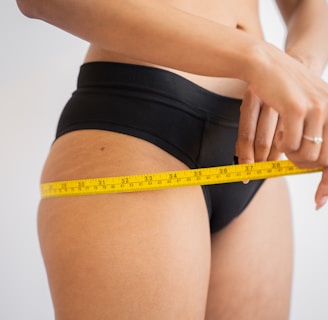
Why Is Everyone Else Losing on their GLP1… and I’m Not?
If you’ve just started a GLP-1 and the scale isn’t moving as fast as you expected, you’re not alone.
One of the most common questions in the GLP-1 community is:
“Why is everyone else losing so quickly… and I’m not?”
Let’s break this down with real science, real timelines, and zero shame.
If you're interested in starting on a GLP1 and don't have insurance coverage, I highly recommend join Friday's. They are an amazing telehealth company with stellar reviews on trust pilot. You can use code NP150 to save $150 off your first order.
1. GLP-1s Don’t Work Instantly — They Build Up Over Time
Unlike stimulants or appetite suppressants, GLP-1 medications work by slowly adjusting your hunger hormones, improving insulin response, and calming the metabolic system.
Most people don’t see visible results until:
Weeks 6–12 after starting
After 1–2 dose increases
After digestion and gastric emptying fully slow
So if you’re in Week 1–4…
You’re doing NOTHING wrong.
Your body just needs time.
2. Your Dose Might Be Too Low (and That’s Normal)
Almost everyone starts on a starter dose — not a “weight-loss dose.”
The initial dose is meant for:
Reducing nausea
Getting your body used to slower digestion
Preparing your hormones to shift
It’s not designed for fat loss.
So if you’re on a very low dose right now, you’re simply too early in the cycle to compare yourself to someone 3–6 months ahead.
3. Everyone’s Metabolic History Is Different
This is huge and rarely talked about.
Your weight-loss timeline can be influenced by:
Past dieting cycles
Stress levels
Hormonal fluctuations (thyroid, cortisol, perimenopause)
Inflammation
Sleep
Gut health
Medications you’re taking
Two people can take the same dose, for the same number of weeks, and lose at totally different rates.
4. Slow Results ≠ No Results
Even when the scale doesn’t move, GLP-1s may already be working:
Food noise is quieter
Portions have naturally decreased
Cravings are reduced
Blood sugar is stabilizing
Inflammation is dropping
Bloating decreases
Sleep may start improving
These are metabolic shifts that lead to weight loss — and they often show up before the scale catches up.
5. You Might Be Losing Fat But Not Seeing It Yet
This is common and frustrating.
Reasons the scale hides fat loss:
Water retention
Hormonal changes
Increased fiber intake
Sodium shifts
Menstrual cycle
Inflammation release
You may notice:
Clothes fitting differently
Face and waist slimming
Less puffiness
More consistent appetite signals
These changes are real — even if the number hasn’t budged.
6. Slow Responders Still Get Long-Term Results
Some of the biggest GLP-1 success stories started slow.
Why?
Slow responders tend to:
Stick with the plan longer
Experience fewer side effects
Maintain results better
Have steadier blood sugar improvements
Fast loss isn’t always better — or more maintainable.
The Bottom Line
If your results feel slower than what you see on TikTok, remember:
✨ GLP-1 weight loss is not a race.
✨ Your timeline is not supposed to look like anyone else’s.
✨ Your hormones aren’t on Amazon Prime shipping.
✨ Progress is happening even when the scale is quiet.
You’re not behind.
You’re not doing it wrong.
You’re just on a different rhythm — and that’s okay.
This article does not constitute medical advice. Always check with your own provider. This article contains affiliate links, which means I make a small commission at no extra cost to you.